
Understanding Concussion
Essential information about concussion in rugby union
- •It is a traumatic brain injury
- •It can be caused by a direct blow to the head or from forces transmitted to the head, for instance a whiplash injury
- •It can cause a wide range of signs and symptoms
- •The effects tend to be short-lived
Comprehensive presentation by Dr Marshall Garrett covering what concussion is, symptoms, management, and graduated return protocols.
There are many signs and symptoms that may suggest a concussion has occurred. There is no single definitive list of signs or symptoms that prove a concussion has happened. There may only be one symptom present, or there may be multiple signs and symptoms.
Signs of a traumatic brain injury (concussion)
If any of the following signs are noted the injured person should be suspected of having sustained a concussion:
- •Dazed, blank or vacant look
- •Lying motionless on ground or slow to get up
- •Unsteady on feet/falling over/incoordination
- •Inappropriate or unusual behaviour
- •Loss of consciousness or not responsive
- •Grabbing / clutching of head
- •Seizure (fits)
Less than 10% of concussions result in the person being unconscious
Symptoms of traumatic brain injury (concussion)
If any of the following symptoms are experienced the injured person should be suspected of having sustained a concussion:
- •Headache
- •Dizziness
- •Confusion, or feeling "slow"
- •Visual problems
- •Nausea or vomiting
- •Fatigue
- •Drowsiness / feeling like "in a fog" / difficulty concentrating
- •"Pressure in head"
- •Sensitivity to light or noise
- •Individual saying "I just don't feel right"
Worrying symptoms – the "Red Flags"
If any of the following signs or symptoms are noted then the injured person should be transferred to the nearest hospital for urgent medical assessment.
- •Severe neck pain
- •Double vision
- •Weakness or tingling / burning in arms or legs
- •Severe or increasing headache
- •Seizure (fit)
- •Loss of or deteriorating consciousness (increasingly drowsy)
- •Repeated vomiting
- •Increasing confusion or irritability
- •Unusual behaviour change
- •If playing sport, the player should be removed from play immediately and take no further part in the activity.
- •Both sporting and non-sporting concussions need rest.
- •The injured person should be monitored in a quiet, warm environment to ensure no worrying symptoms develop.
- •It is recommended that anyone suspected of sustaining a concussion should be reviewed by a healthcare professional, as soon as possible, even if symptoms have gone.
Important note:
It is common for the injured person to feel much better quickly. This does NOT MEAN they have RECOVERED so, if playing sport, they should not return to play.
Medical assessment
- •Ideally all concussions should be looked after by a doctor experienced in the management of the injury.
- •This ensures that the right advice is given and it has also been shown to improve recovery.
- •After an initial consultation, medical professionals should be engaged at each point of recovery.



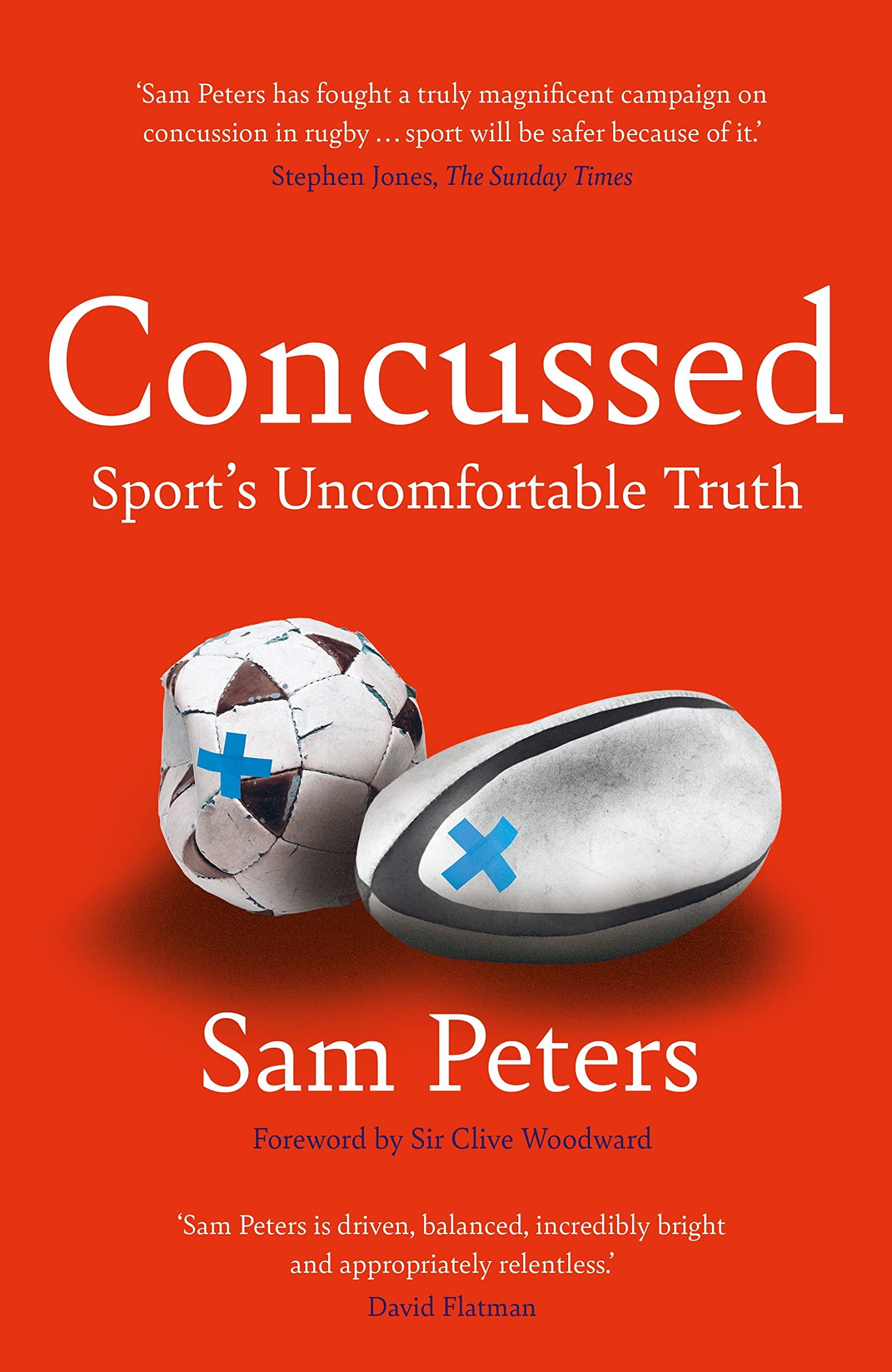
Concussed: Sport's Uncomfortable Truth
by Sam Peters
An essential read that explores the concussion crisis in rugby union, featuring personal stories and expert insights into the challenges facing the sport. This book provides crucial context for understanding why Progressive Rugby's work is so important.
Buy on AmazonIn an emergency
If someone has lost consciousness, has severe symptoms, or symptoms are getting worse, seek immediate medical attention via the emergency services of your country. In the UK call 999.